Best Practices
Self-Employment Taxes: What You Owe and When to Pay
A plain-language guide to the four tax dates every independent provider needs on the calendar, the self-employment math most first-year pros miss, and how to stop funding the IRS a loan.
The Booked Brief team··3 min read
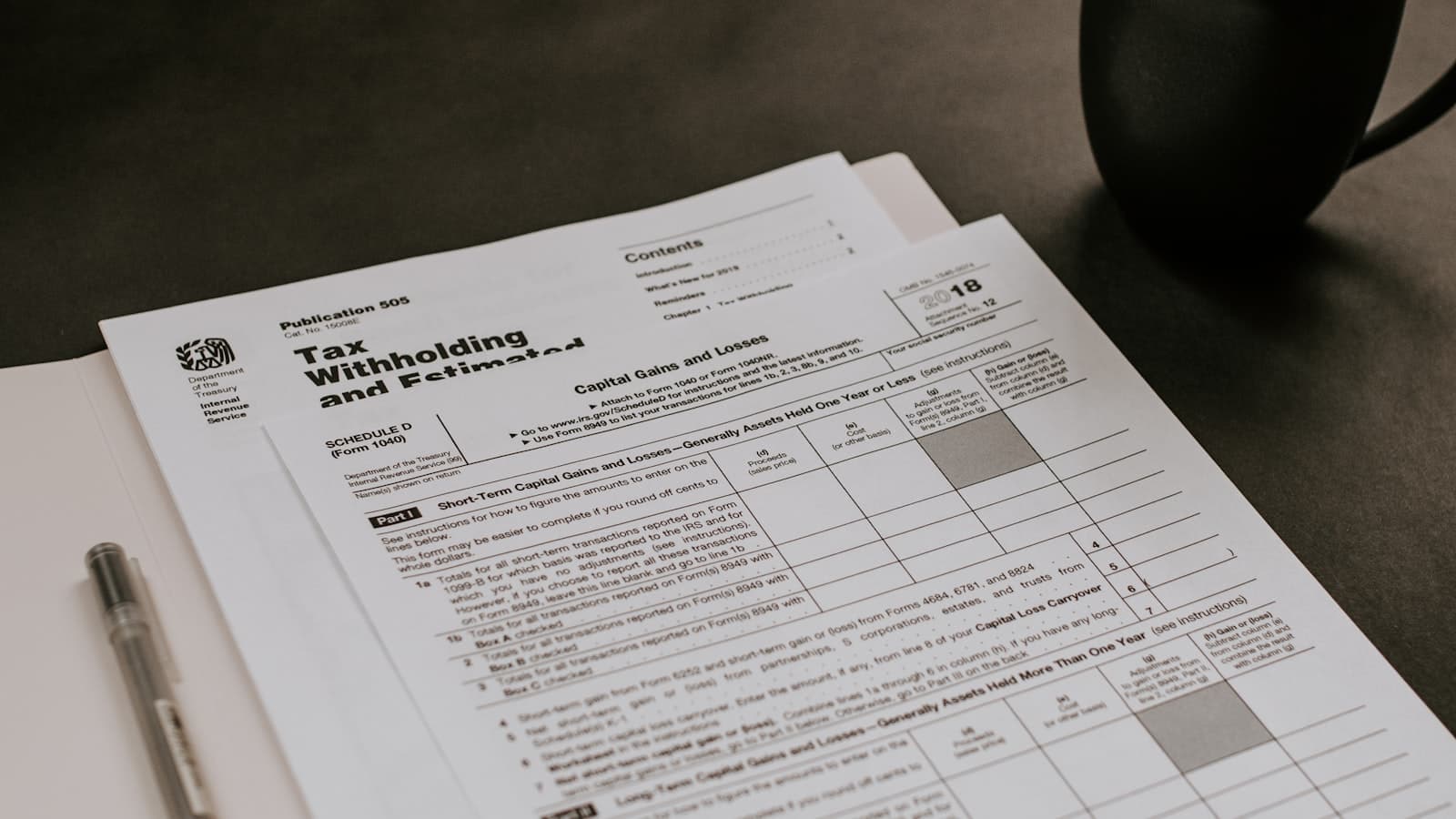
The single biggest financial surprise in a first year of independent work isn't how much you earned — it's how much the IRS wants you to pay as self-employment tax, and how little warning you get before the bill lands.
This is the short version of what you actually need to know.
The two taxes, not one
When you work for yourself, you owe two separate federal taxes on the same dollar:
- Federal income tax — same brackets as a W-2 employee, based on your net profit.
- Self-employment tax — an additional 15.3% covering Social Security and Medicare, also on your net profit, detailed on IRS Schedule SE.
A traditional employee pays half of that 15.3% out of their paycheck and their employer pays the other half. As a self-employed provider, you pay both halves.
For someone netting $80,000 in a mid-tax-bracket state, the total tax burden usually lands around 27–32% of net profit. Plan on 30% as a default and adjust down after your first full year with a CPA.
When the money is due
The IRS doesn't wait until April. You pay estimated taxes four times a year.
- April 15 — Q1 (income earned Jan–Mar)
- June 15 — Q2 (income earned April–May)
- September 15 — Q3 (income earned June–Aug)
- January 15 of the following year — Q4 (income earned Sept–Dec)
If you underpay by enough, the IRS charges an underpayment penalty. The 2026 rate is 8% annualized on the shortfall. Small numbers on a small shortfall; meaningful on a big one.
Use IRS Form 1040-ES or pay directly via IRS Direct Pay — takes about three minutes once you know your number.
The safe-harbor rule (the one trick worth knowing)
You can avoid the underpayment penalty by meeting either of these two thresholds:
- You pay at least 90% of what you'll owe for the current year, or
- You pay at least 100% of what you owed last year (110% if your prior-year income was above $150,000)
The second one is the practical shortcut: look at last year's total federal tax bill, divide by four, pay that amount each quarter. Simple, automatic, and legal even if your income doubles this year.
State taxes
Depending on where you live, you may owe quarterly state income taxes too. California, New York, and Oregon are the most rigorous about this. A few states (Texas, Florida, Washington, Nevada, Tennessee, South Dakota, Wyoming, Alaska) don't have a state income tax for individuals at all.
Always assume state taxes exist and check yours. The penalty math at the state level varies.
The deductions that matter
The three that move the most for independent service providers:
- Home office: Percentage of rent/utilities based on the square footage used exclusively for work. IRS Publication 587 is the source of truth.
- Mileage: The 2026 standard rate is 70¢ per business mile. Tracked automatically by QuickBooks Self-Employed or MileIQ.
- Half of your self-employment tax: Yes, you deduct half of the 15.3% you just paid. That's an adjustment, not an itemized deduction — so you get it even if you take the standard deduction.
What to automate
- Set up a separate bank account for taxes. Transfer 30% of every payment in the same session you invoice.
- Pay quarterly through IRS Direct Pay. Put the four dates on a calendar as recurring events now.
- Categorize transactions weekly, not at tax time. A 10-minute Friday habit is ten hours saved in March.
What to stop doing
- Leaving the money in your checking account and hoping
- Waiting until April to find out what you owe
- Assuming your accountant will catch everything after the fact
The safest version of this is boring: 30% off the top into a separate account, quarterly payments on the calendar, done. The tax system rewards steady over clever.
Photo: Unsplash